Fire safety is one of the most important aspects of running a business. Did you know that commercial buildings without fire sprinklers are three times more likely to experience major fire damage compared to buildings with sprinklers? According to the National Fire Protection Association, over 90% of buildings equipped with quality fire sprinkler systems survive a fire with minor damage.
The upfront cost of installation can seem high. But fire sprinkler systems protect lives, property, and business operations. This guide explores the costs, benefits, and key factors to consider when installing fire sprinkler systems in U.S. commercial buildings, including warehouses, offices, and other facilities.
What Are Fire Sprinkler Systems?
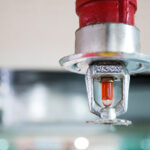
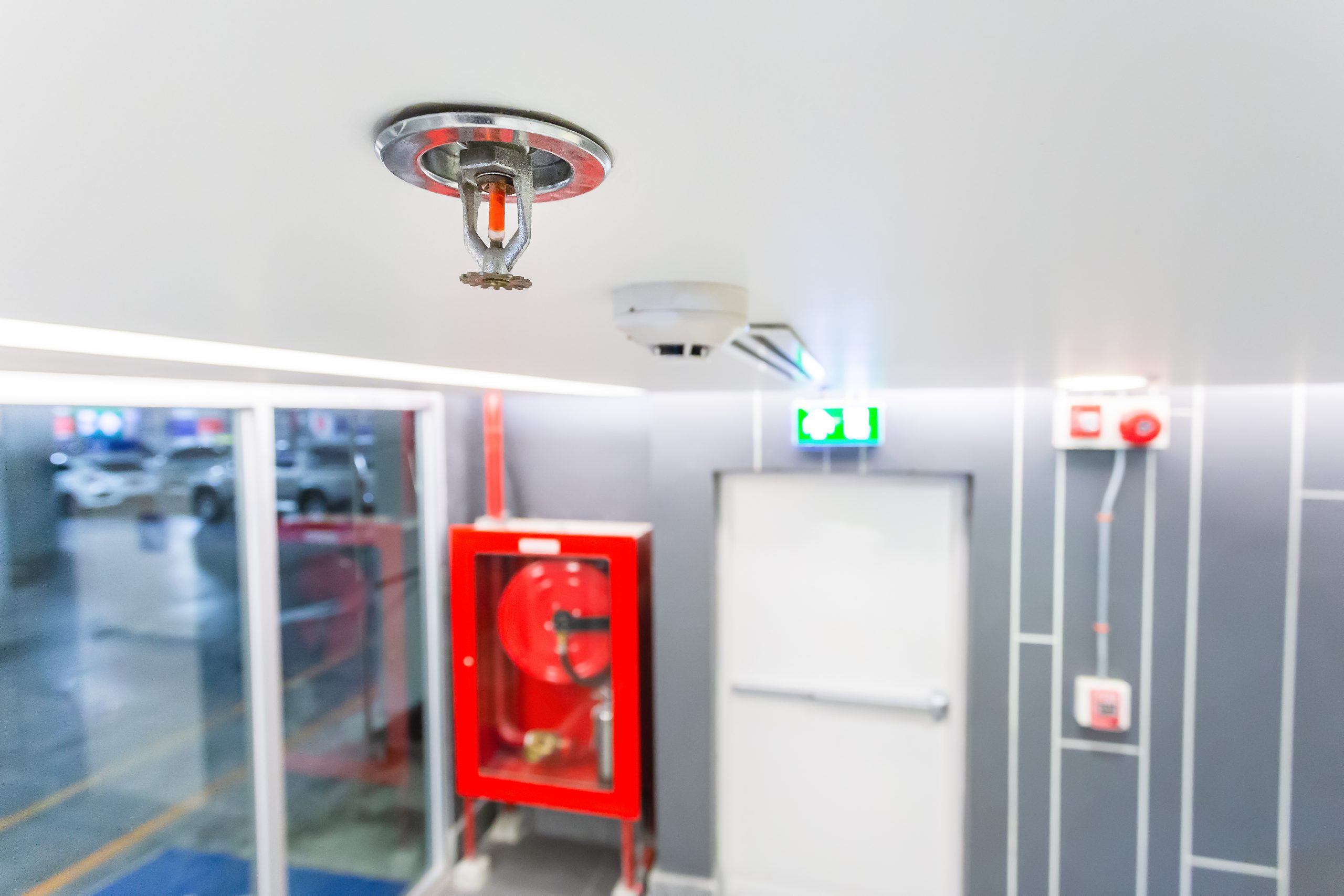
Fire sprinkler systems are automatic devices. They detect heat and release water directly at the fire. Sprinklers stop fires before they spread.
A commercial sprinkler system is more than just safety equipment. It protects property, reduces liability, and can lower insurance premiums. Sprinklers are an investment that pays off in the long term.
Modern systems are reliable. They are regularly tested and meet fire safety standards. Installing a system also ensures compliance with local building codes.
Warehouse Fire Protection Is Indispensable
Warehouses face a sea of fire risks. They store large amounts of inventory. Some materials are flammable. High ceilings and stacked racks increase fire hazards.
Warehouse fire protection is essential. Sprinklers reduce the risk of small fires turning into catastrophic losses.
Did you know that fires in warehouses cost the U.S. economy over one billion dollars every year? Early intervention by sprinklers can save thousands or even millions of dollars in losses. They also protect employees and reduce downtime after an incident.
Factors That Affect Installation Costs
Several factors determine the cost of installing fire sprinkler systems:
- Building size: Larger buildings need more piping, sprinkler heads, and labor.
- System type: Wet pipe systems are usually less expensive than dry pipe or pre-action systems.
- Complexity: Multi-story buildings, unusual layouts, or high ceilings may need specialized designs.
- Local codes: Compliance with fire regulations may require extra inspections or materials.
The average cost for standard commercial buildings ranges from $1.50 to $3 per square foot. Large warehouses or complex facilities may cost up to $4 per square foot due to high ceilings, storage racks, or special materials.
While the cost can seem high, it is small compared to the financial and safety benefits.
Benefits of Fire Protection in Buildings
The advantages of fire sprinkler systems go beyond compliance.
- Life safety: Protects employees, tenants, and visitors.
- Property protection: Limits structural damage and protects inventory.
- Insurance savings: Premiums can drop 15 to 20 percent for buildings with sprinklers.
- Business continuity: Reduces downtime after fire incidents.
- Peace of mind: Owners know their property and employees are safe.
Fire protection in buildings can also make properties more attractive to tenants and investors. Buildings with sprinklers demonstrate a commitment to safety and professionalism.
Choosing the Right Commercial Sprinkler System
Different buildings require different systems.
- Wet pipe systems are common in offices and retail spaces.
- Dry pipe and pre-action systems are suitable for warehouses or cold areas.
Licensed installers can evaluate your property. They recommend the most effective system for your building.
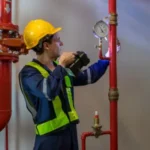
Regular inspections are essential. Annual checks, testing, and upgrades keep the system functional. Without maintenance, sprinklers may fail and insurance coverage can be voided.
Cost vs. Value
Installing fire sprinkler systems may seem expensive. Fires can destroy property, stop business operations, and risk lives. Sprinklers reduce damage, save money, and protect people.
Think about it this way: the cost of a sprinkler system is often much less than the loss caused by a fire. Businesses that invest in sprinklers are protected against financial disaster and downtime.
Wrapping It Up
The cost of installing fire sprinkler systems in U.S. commercial buildings can be high. However, the benefits far outweigh the expenses. Sprinklers protect lives, reduce property damage, lower insurance premiums, and ensure business continuity.
Warehouses, office buildings, and other commercial properties all benefit from proper fire protection. Planning, selecting the right commercial sprinkler system, and maintaining it regularly ensures maximum safety and value.
Investing in fire protection today prevents major losses tomorrow. Fire sprinkler systems are not just a legal requirement. They are a smart and essential investment for every commercial property owner.
FAQs
Q1 How much does it cost to install a commercial sprinkler system?
It ranges from $1.50 to $3 per square foot. Warehouses or large buildings may cost $4 per square foot.
Q2 Are fire sprinklers required by law?
It depends on the state and building type. Many commercial and warehouse buildings must have sprinkler systems.
Q3 How often should fire sprinklers be inspected?
Most systems require annual inspections. Some components may need quarterly or semiannual checks. Regular maintenance is crucial for safety.
Q4 Can fire sprinklers reduce insurance premiums?
Yes. Discounts range from 15 to 20 percent for properly maintained systems.
Q5 Are there different types of commercial sprinkler systems?
Yes. Wet pipe systems suit offices. Dry pipe or pre-action systems are best for warehouses or cold areas. Choosing the right type reduces costs and increases effectiveness.
Q6 How fast do sprinklers respond to a fire?
Modern sprinklers activate within seconds. Early activation prevents fire spread and limits damage to property and inventory.
Q7 Do sprinklers help with fire code compliance?
Yes. Buildings with sprinklers often meet local safety codes more easily.
Q8 What happens if sprinklers are not maintained?
Neglected systems may fail in an emergency. Insurance coverage may also be voided. Regular maintenance is critical to reliability.