Today, buildings are more advanced than ever before; however, risks still remain. Regular maintenance of fire safety equipment is crucial for protecting lives and property. Constant maintenance aids in catching problems early. It also ensures compliance with laws and safety codes.
In 2026, most commercial spaces are required to follow rigid inspection schedules. This involves alarms, sprinklers, and extinguishers, too. Whether it’s a tiny shop or a big company, preventive care and cautiousness save money and ensure safety in the long run.
Fire Extinguisher Inspection – What Is It?
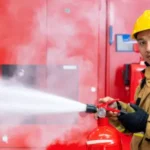
A fire extinguisher inspection checks if the extinguisher is ready for use. It may seem very simple, but it’s way too vital. A minor problem/ error can make the extinguisher fail during an emergency call-out.
Things to look at:
- Look at the pressure gauge regularly. The needle must point to the green light.
- Ensure the safety pin and tamper seal are together.
- Check for any cracks, dents, and rust.
- See if the label is readable.
- Weigh the extinguisher if needed at some point.
- See the last inspection date. It must be within the suggested time period.
Make sure to follow this once every month. Also, see an expert once or twice a year for a thorough check-up.
The Backbone of Every Building’s Safety
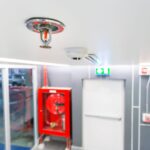
The complete fire protection system will include alarms, sprinklers, extinguishers, and suppression systems. Each one does a different job: alarms alert, sprinklers control, extinguishers stop fires, and suppression systems address special environments such as kitchens or data centers.
These systems work best when maintained together. Regular testing ensures everything activates when it should (this means, at the time of the need).
Understanding Fire Sprinkler Systems
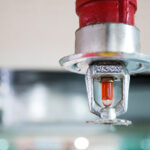
The sprinkler system automatically goes off at high heat: it sprays directly at the point where the fire has been recognized. Such promptness reduces the size of the flames, preventing them from spreading further.
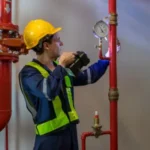
Sprinklers have to be checked for leaks, corrosion, and blockages. Dirt or dust may hamper performance. Professionals suggest yearly inspections. Sprinkler heads should be cleaned gently; replace damaged ones as soon as possible.
The Power of Fire Suppression Systems
A fire suppression system does not always use water; sometimes it may use gas, foam, or even a chemical agent. These work best in places where using water could result in damage, like electrical rooms or commercial kitchens.
They require periodic testing as well. Check nozzles of discharge, pressure containers, and control panels. Ensure they release appropriately and cover the area they should. A faulty system leads to critical losses.
The Role of Fire Alarm Testing
Early warning saves lives. A reliable alarm system detects smoke or heat before the fire grows. Regular fire alarm testing ensures that sensors, control panels, and sirens function as they should.
Test the alarms every month. Schedule a professional test every six months. Testing should be done to make sure all detectors are working and that the system responds rapidly. Keep records in writing of every test for compliance.
Why You Need Professional Fire Protection Services
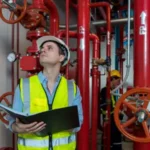
Hiring experts in the field of fire protection services offers peace of mind. They manage their own inspections, testing, and repairs of all systems one may have. The professionals further keep themselves abreast with changing fire codes. They will be able to advise on safety upgrades and assist in avoiding penalties.
This is essential for big buildings and, even multiple properties. A small missed detail can become a costly problem later.
Building a Routine Fire Safety Schedule
Consistency will keep your system reliable. Develop a calendar for tracking all your inspections. Add fire extinguishers, alarms, sprinklers, and suppression systems. Make sure everything on your list for fire protection systems is reviewed on time.
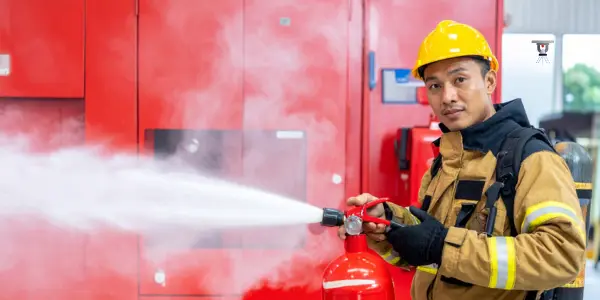
Train your staff or household members. It is important that everyone knows how to use an extinguisher, where the exits are, and how to respond to alarms. Conduct short drills every few months.
A Safer Future Starts with Simple Habits
Fire safety is not rocket science; it’s just a matter of being consistent. A clean extinguisher, a working alarm, and a tested sprinkler prevent major damage. Stay alert, schedule checks, and keep records.
The time you invest in these habits today protects you tomorrow. Staying safe has never been easier, thanks to both modern systems and professional support.
Wrapping It Up
By keeping your fire extinguisher inspection, fire protection, and fire sprinkler system maintenance up-to-date, you are providing a safer environment for all.
Combine your efforts with fire suppression systems, fire alarm testing, and trusted fire protection services to form a perfect shield for any modern property in the year 2026 and beyond.
FAQs
1. How often should fire extinguishers be inspected?
Well, fire extinguishers should be checked monthly and serviced annually by professionals.
2. What is included in a fire alarm test?
A fire alarm test checks the control panel, detectors, wiring, and sounders. It checks if the system activates correctly and gives an appropriate warning.
3. Can sprinklers and suppression systems work together?
Yes. Sprinklers control water-based fires, and suppression systems are for sensitive areas. They complement each other to give complete coverage.
4. Should professional services be employed to comply with fire safety?
In most states and cities, yes. Businesses must have annual inspections done by licensed professionals and reports kept on file.